 TrukN
Repair planning guide
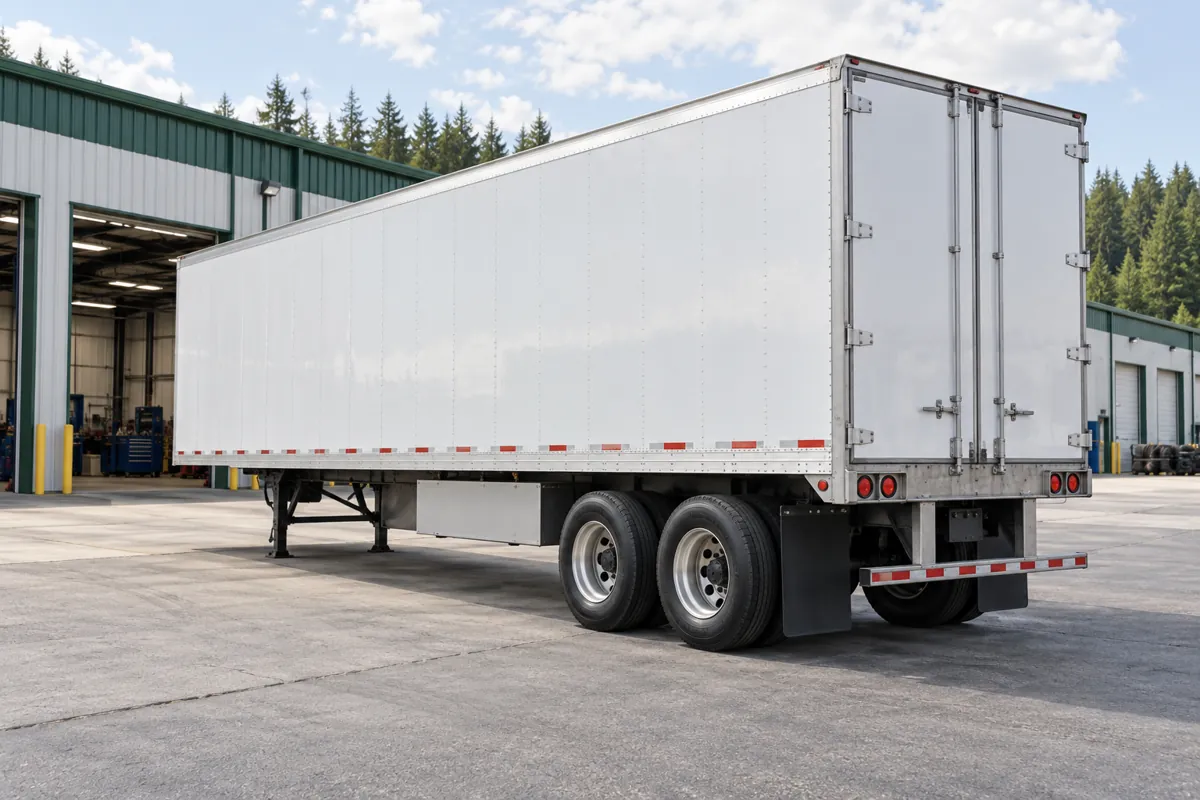
Describe the trailer separately from the tractor.
A trailer has its own identity, equipment and repair history. Including those details helps a provider assess a light, air, brake, door, landing-gear or other complaint without guessing from the tractor description.
Compare the scope before you approve
| Quote component | What to confirm with the provider |
|---|---|
| System coverage | Which trailer systems are included: lights, air, brakes, suspension or body hardware? |
| Site and cargo access | Who authorizes access to a sealed load or restricted dock, and what site limits affect the visit? |
| Additional work | How are further findings, parts and labour added to the written quote for approval? |
Name the trailer and the problem area
Provide the type, unit number, make or VIN if available and whether it is loaded. Identify the affected area and explain whether the trailer is attached to the tractor. For a refrigerated trailer, include the refrigeration-unit identity separately.
Prepare access and cargo information
Tell the provider about yard entry, dock position, loading activity, seals and any access restrictions set by the cargo owner. Arrange permission before anyone opens a sealed load or enters a restricted facility. The service request itself does not authorize cargo access.
Confirm the scope for each system
A trailer complaint may involve electrical, air, brakes, suspension or body hardware. Ask which items the provider will assess and which repairs they can perform on site. Keep additional findings, approval and completion photos with the same work order.